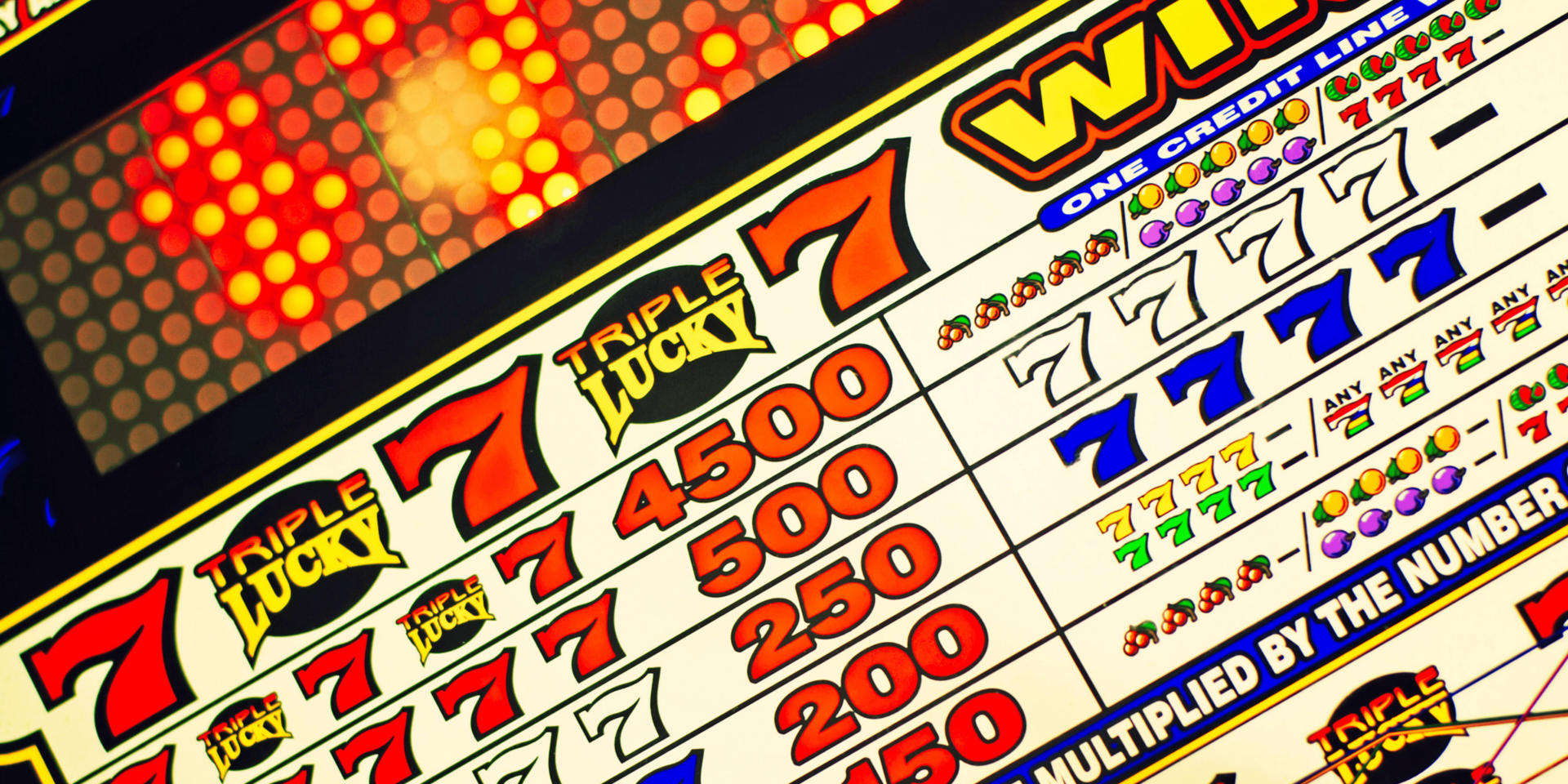
Online casinos use psychological design features that trigger emotional responses and shape player behavior.
While the games appear simple, their structure is anything but. From timed rewards to near wins, every element in a casino platform is built to hold attention. Gamers don’t keep playing out of luck—they stay because the system is designed to keep them emotionally and mentally engaged.
Variable Rewards Reinforce Repetitive Behavior
Unpredictable rewards create a loop that keeps players returning for the next spin.
Slot-style games and sweepstake casinos use variable-ratio reward systems. This means players never know when they’ll win. Unlike fixed rewards, which lose their impact over time, random rewards remain exciting. The brain reacts strongly to the possibility of a big prize, even after multiple losses.
In a realistic scenario, a player spins dozens of times without a major win but keeps going because each spin offers a new chance. The uncertainty becomes the hook. This type of reward schedule is one of the most powerful behavior drivers in gaming psychology.
Near Misses Motivate Continued Play
Almost winning activates the same emotional pathways as an actual win.
Many online games are programmed to deliver near-miss outcomes—situations where the symbols land just shy of a jackpot or large prize. While technically a loss, the result feels close enough to encourage another spin. The player believes a win is just around the corner.
During a session, a user sees two high-value symbols align, with the third falling just one spot away. The system triggers a sound or animation, making it feel like progress. This emotional reaction motivates the player to keep going, convinced the next attempt might be the one that hits.
Time Loss Fuels Extended Play Sessions
Players lose track of time due to continuous gameplay and lack of stopping cues.
Online casino interfaces are designed to create flow—a state where players become fully immersed in the game. Bright lights, animations, sound effects, and fast spin speeds remove time markers. Without external cues like clocks or alerts, players stay engaged longer than they planned.
In a realistic play session, a user begins spinning in the evening. Without a break, the session continues late into the night. The constant feedback loop blocks time awareness, making it hard to recognize how much time has passed. This distortion leads to prolonged activity and greater platform profit.
Loyalty Rewards Build Daily Habits
Platforms use daily logins, tier bonuses, and timed rewards to form long-term routines.
Online casinos encourage repeated behavior by rewarding consistency. Players receive bonus coins, spins, or access to special games for logging in each day. Over time, this builds a habit loop—play becomes part of a daily routine, even without a big win.
A user may begin each day with a spin to collect bonus coins. Skipping a day might reset progress or reduce future rewards. This structure encourages commitment, not just for entertainment, but to avoid loss of status or bonuses. The habit forms quickly, and the platform ensures it sticks.
Visual and Audio Cues Enhance Emotional Reactions
Animations, lights, and sounds create stronger reactions to wins and losses.
Digital casino games use visual and audio design to amplify emotional impact. A small win is often paired with celebratory music, bright flashes, and on-screen animations. These cues make the reward feel more significant than it is, reinforcing positive feelings and keeping the player engaged.
In a realistic gameplay moment, a player wins a low payout, but the game treats it like a major event. The celebration encourages another spin. Even when the actual value is low, the design elements create a stronger connection to the game, encouraging repeated action.
Personal Progress Triggers Player Investment
Levels, achievements, and progress bars create a sense of growth that drives commitment.
Online casinos introduce progression systems to make players feel like they’re advancing. Each spin contributes to a meter, unlocks a new level, or earns status points. These markers create a sense of achievement, even if the actual rewards are minimal.
In one session, a user reaches a new tier in the loyalty program. This progress unlocks a small bonus, but the value lies in the status it represents. The player now feels invested in their progress and more likely to continue playing to maintain that position or reach the next tier.
Social Features Build Community Around Games
Leaderboards, public wins, and chat functions create shared motivation to keep spinning.
Online casinos often display public wins, run leaderboards, or include chat tools to make players feel connected. Seeing others win or ranking on a board builds a sense of community. It also adds competitive pressure—players want to reach the top or be recognized for their streaks.
A player might see another user win a large prize and feel motivated to try the same game. The win creates urgency and fear of missing out. The social interaction pushes the user to keep playing—not just for personal gain but to stay relevant within the platform.
Loss Recovery Drives Decision Making
Players chase losses in hopes of recovering them, increasing total play time.
When players lose repeatedly, the natural response is to try and win it back. This behavior, known as loss chasing, is common in online gambling. The system anticipates this by offering recovery bonuses or timed offers that appear after a loss streak.
In a realistic moment, a player loses a significant portion of their balance. The platform offers a spin bonus or match on the next deposit. The player accepts, hoping to recover what was lost. This cycle continues, often deepening losses and extending gameplay far beyond the initial intent.
Platform Design Reduces Friction to Continue
Games remove barriers between spins to keep players engaged without interruption.
Sweepstake casinos reduce friction by making it easy to stay in the game. One-click spins, auto-play options, and fast reload features eliminate breaks between actions. This seamless design keeps users spinning longer by minimizing decisions and movement.
In a realistic user flow, the player starts an auto-play session and watches the reels spin without stopping. There’s no need to click, reset, or review outcomes manually. The game runs without pause, encouraging long sessions with minimal effort.
Engagement by Design, Not by Chance
Sweepstake casinos use psychological triggers to drive repeated gameplay and long-term user retention.
Gamers return night after night not because of pure luck, but because the platform is built to keep them engaged. From variable rewards and habit loops to social motivation and loss recovery, every element shapes behavior. Understanding the psychology of play reveals that these platforms don’t rely on randomness—they rely on patterns that players follow without noticing.
The longer a player spins, the more invested they become. And the more the system adapts to keep them spinning.